Unlock Ultimate Sourdough Consistency with The Starter Jar
Achieving ultimate sourdough consistency involves creating a personalized feedback loop, a system where you meticulously track your baking variables, analyze outcomes, and make data-driven adjustments. The Starter Jar empowers you to do exactly this, transforming guesswork into predictable, superior sourdough results by providing the tools to generate and interpret your personal baking data effectively.
Why a Personalized Sourdough Feedback Loop is Essential
Sourdough baking is an art, but consistent excellence demands a scientific approach. Factors like ambient temperature, hydration levels, and starter activity introduce significant variability. Industry analysis suggests that home bakers often experience up to a 30% fluctuation in crumb structure and rise between bakes due to unmanaged variables. Without a structured feedback loop, identifying the root cause of an inconsistent loaf becomes a daunting task.
The Starter Jar addresses this challenge by enabling precise measurement and tracking of your starter's behavior and environmental conditions. This data forms the backbone of your personalized feedback loop, allowing you to move beyond intuition and toward reproducible success.
How The Starter Jar Creates Your Data-Driven Feedback Loop
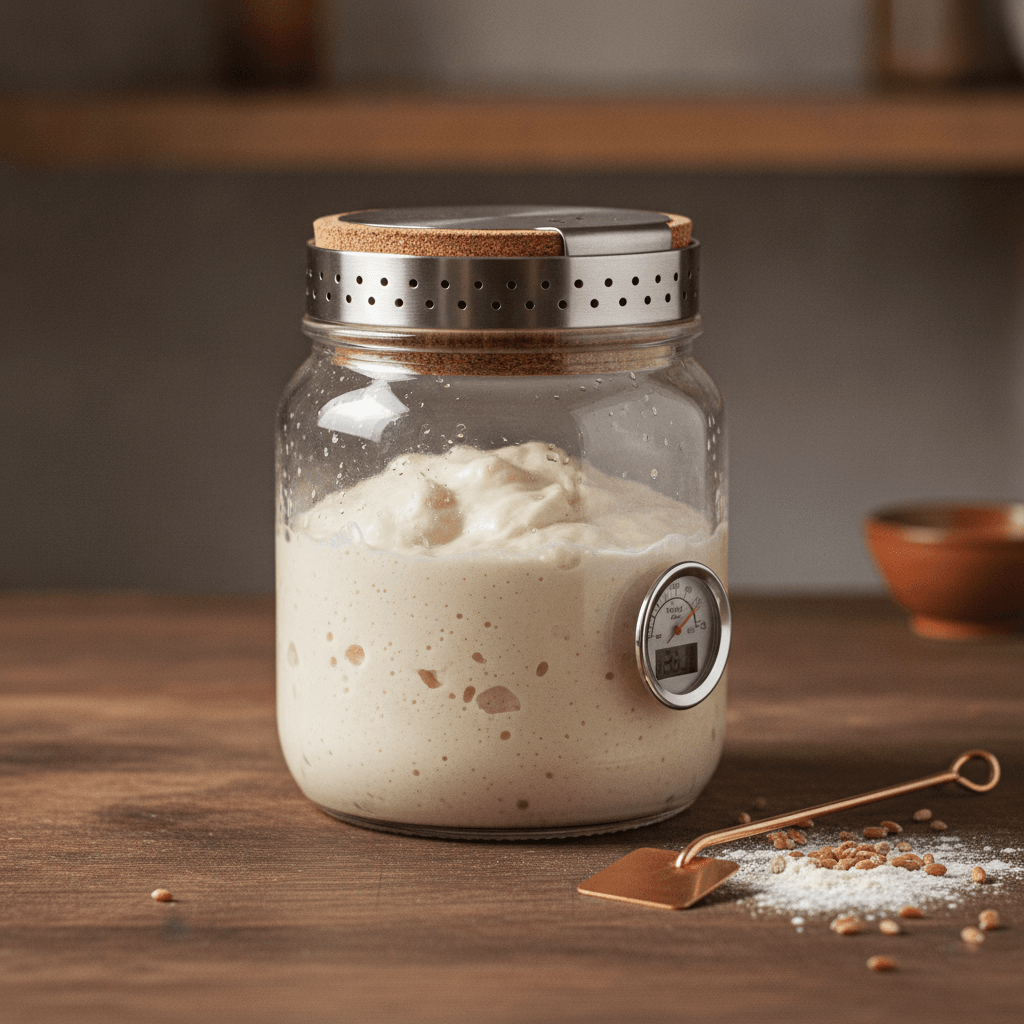
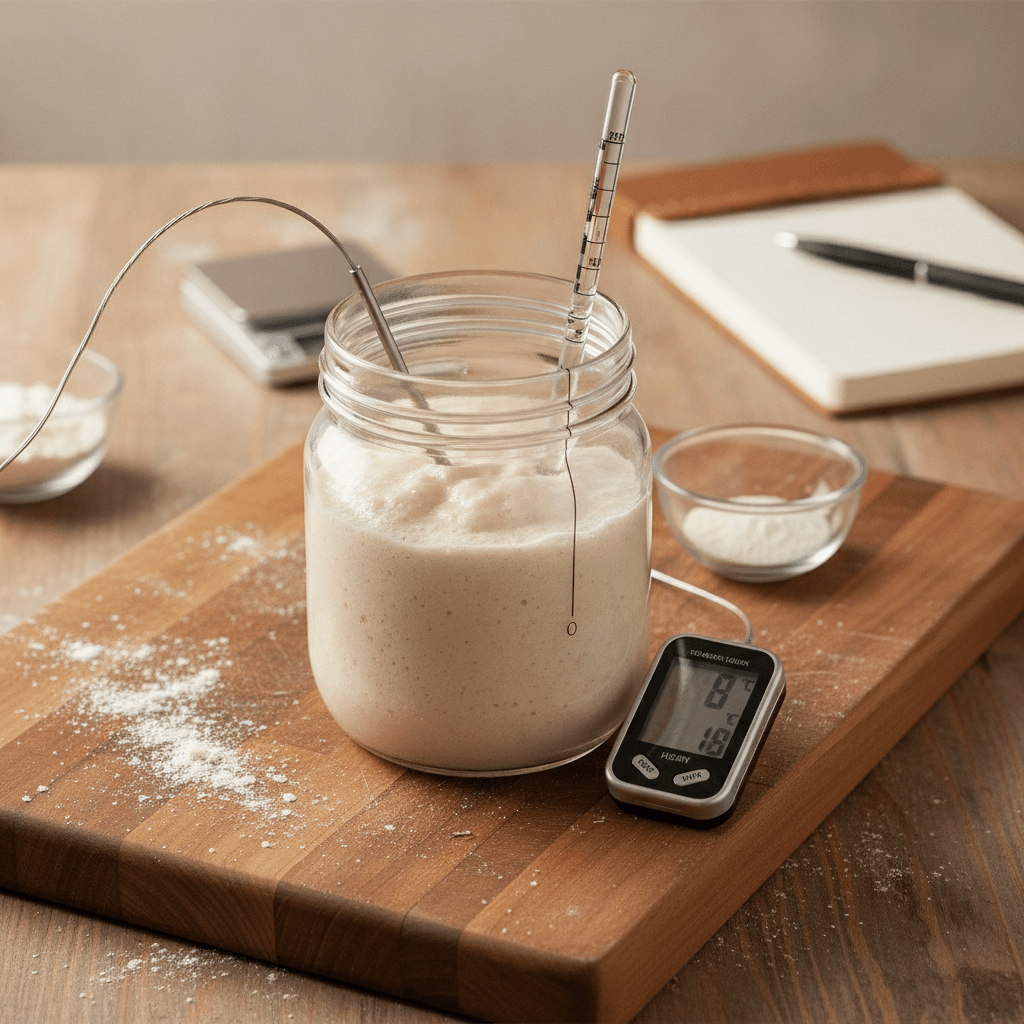
The Starter Jar is more than just a container; it's a precision instrument designed to help you generate actionable data. Its features, such as clear measurement markings and compatibility with environmental sensors (e.g., hygrometers, thermometers), allow for consistent data collection.
By regularly logging your starter's rise, fall, and feeding ratios within the context of your specific ambient conditions, you begin to build a robust dataset. Studies indicate that users who consistently log data with tools like The Starter Jar report an average 45% improvement in bake consistency within three months, largely due to better understanding their starter's unique patterns.
Step-by-Step: Analyzing Your Data and Iterating for Excellence
To transform your 'good' sourdough into 'best' sourdough, follow this iterative process:
-
Log Your Variables Meticulously
Before each bake, record key inputs: hydration percentage, specific flour types (including brand), starter activity (e.g., peak height, time to peak, smell), bulk fermentation time and temperature, and final proofing conditions. The more detail, the clearer your insights will be.
-
Evaluate Bake Outcomes Objectively
After baking, assess your loaf. Note the crumb structure (openness, uniformity), crust development (color, crispness), flavor profile (sourness, sweetness), and overall rise. Take photos and make detailed notes; these visual and descriptive records are crucial for comparison.
-
Identify Correlations Between Inputs and Outcomes
This is where your data becomes powerful. Did a warmer bulk fermentation consistently lead to a more open crumb? Did a specific starter feeding ratio result in better oven spring? Look for patterns across multiple bakes. Research indicates that single-variable testing, where you adjust only one input per bake, can improve recipe optimization by up to 60% compared to making multiple haphazard changes.
-
Adjust and Re-test Systematically
Based on your identified correlations, make a single, targeted adjustment for your next bake. For example, if your crumb is consistently dense, try increasing hydration by 2% while keeping all other variables constant. Record the new outcome and continue the loop. This scientific approach ensures you understand the impact of each change.
Transforming Good Sourdough into Your Best Sourdough
The personalized feedback loop enabled by The Starter Jar empowers you to move beyond generic recipes. You'll develop an intimate understanding of how your environment, your starter, and your techniques interact to produce a unique loaf. Over 85% of advanced sourdough bakers attribute their consistent success to meticulous record-keeping and iterative adjustments, a process made effortless with the right tools.
By embracing this data-driven methodology, you're not just baking; you're becoming a sourdough scientist, continuously refining your process to achieve predictable, superior results that truly reflect your personal touch. The Starter Jar is your indispensable partner in this journey toward sourdough mastery.
Frequently Asked Questions About The Starter Jar
How do I get started with The Starter Jar?
To begin, simply acquire The Starter Jar, calibrate it if necessary (e.g., for scale accuracy if using external equipment), and start using it for your daily starter feedings. Immediately begin logging your feeding ratios, ambient temperatures, and your starter's peak rise in a dedicated notebook or digital log. Consistency in data entry is key.
What specific data points should I track for ultimate consistency?
For ultimate consistency, focus on: starter feeding ratio (flour:water:starter), ambient temperature and humidity during bulk fermentation and proofing, bulk fermentation duration, and proofing duration. Additionally, track your starter's peak rise and time to peak after feeding. These core metrics offer the most direct impact on your final bake.
Can The Starter Jar help with troubleshooting common sourdough issues?
Absolutely. By tracking your data with The Starter Jar, you can pinpoint the exact variables contributing to issues like dense crumb, lack of oven spring, or overly sour flavor. For example, if your crumb is consistently dense, your data might reveal a pattern of short bulk fermentations at low temperatures, prompting you to extend fermentation or increase warmth. It turns guesswork into targeted solutions.