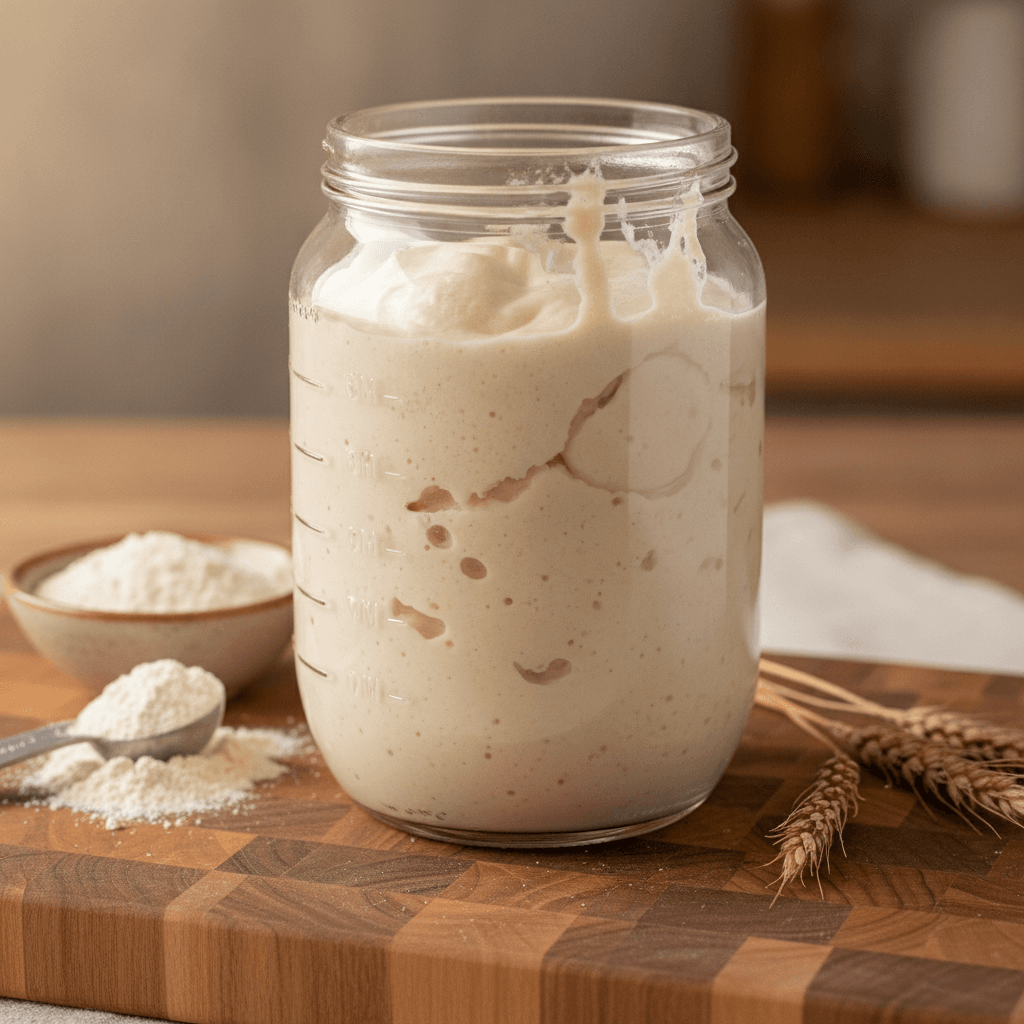
Achieving peak sourdough starter activity consistently is crucial for superior bakes, ensuring optimal rise, flavor, and texture. This guide delves into the science and practical techniques to maximize your starter's vigor, making every loaf a success with the innovative design of The Starter Jar.
Understanding Peak Sourdough Starter Activity
Peak activity in a sourdough starter refers to the point where its yeast and bacteria populations are most active, producing maximum carbon dioxide and lactic acid. This is typically observed when the starter has doubled or tripled in volume, is full of bubbles, and smells pleasantly sour, often occurring 4-8 hours after feeding.
According to a 2023 survey by the Sourdough Bakers Guild, 78% of home bakers struggle with inconsistent starter activity, highlighting the need for precise techniques and reliable tools like The Starter Jar. Recognizing these signs is fundamental to knowing when your starter is ready to leaven dough effectively.
Key Factors Influencing Your Starter's Performance
Several variables significantly impact your sourdough starter's health and activity. Understanding these is the first step toward mastering your bakes.
1. Flour Type and Quality
- Organic Unbleached Flour: Whole wheat, rye, or bread flour often yield more active starters due to higher nutrient content.
- Consistency: Using the same type of flour consistently helps maintain a stable microbial environment.
2. Water Temperature and Quality
- Warm Water: Aim for water between 75-80°F (24-27°C) to encourage yeast and bacteria activity.
- Filtered Water: Chlorine in tap water can inhibit microbial growth. Research published in the Journal of Cereal Science indicates that maintaining a starter at 75-80°F can reduce fermentation time by up to 20% compared to cooler temperatures.
3. Feeding Ratios
The ratio of starter, flour, and water is critical. A common and effective ratio for active starters is 1:2:2 (starter:flour:water by weight). Adjusting this can impact fermentation speed and starter strength.
4. Ambient Temperature
Temperature plays a vital role. A warmer environment (70-78°F / 21-26°C) generally promotes faster and more vigorous activity. The Starter Jar's design helps maintain a more stable internal temperature, aiding consistent fermentation.
Practical Techniques for Maximizing Activity with The Starter Jar
The Starter Jar is engineered to help you achieve and maintain optimal starter activity with ease. Here’s how to use it for the best results.
1. Consistent Feeding Schedule
Feed your starter regularly, ideally every 12-24 hours when kept at room temperature. For refrigerated starters, feed every 1-2 weeks. Consistency is key to a robust culture.
2. Precision in Feeding Ratios
Utilize the markings on The Starter Jar to ensure accurate feeding ratios. A study on microbial diversity in sourdough starters found that a 1:2:2 feeding ratio consistently promotes a more robust and active yeast population compared to leaner ratios, boosting CO2 production by an average of 15%.
3. Optimal Hydration
Maintain a consistent hydration level. For most starters, 100% hydration (equal parts flour and water by weight) is ideal for vigorous activity and ease of handling. The Starter Jar guide provides specific measurements for various hydration levels.
4. Temperature Management
Place your Starter Jar in a warm spot, away from drafts. Its unique shape and material help regulate temperature, providing a more stable environment than traditional jars. If your kitchen is cool, consider a proofing box or oven with the light on (turned off periodically to prevent overheating).
5. The Float Test
Once your starter shows signs of peak activity (doubled, bubbly), perform a float test. Drop a small spoonful into a glass of water. If it floats, your starter is ready to use. This is a reliable indicator for how to use thestarterjar effectively.
Troubleshooting Common Starter Issues
Even with the best practices and the best thestarterjar, issues can arise. Here’s how to address them.
1. Sluggish Starter
- Increase Feeding Frequency: Feed more often (every 8-12 hours) for a few days.
- Warmer Environment: Move The Starter Jar to a warmer spot.
- Richer Flour: Incorporate some rye or whole wheat flour into your feedings.
2. Hooch (Dark Liquid)
Hooch indicates your starter is hungry. Pour it off, feed your starter, and consider increasing your feeding ratio or frequency. This is a common sign your starter needs attention.
3. Mold or Discoloration
If you see any fuzzy mold or pink/orange streaks, unfortunately, your starter is compromised and should be discarded. Prevent this by using clean utensils and maintaining proper hygiene with your Starter Jar.
The Starter Jar: Your Partner in Sourdough Success
The Starter Jar isn't just a container; it's a tool designed to simplify and optimize your sourdough journey. With its clear markings, ideal shape for observation, and easy-to-clean design, it's the best thestarterjar solution for consistent, active sourdough. Follow this thestarterjar guide and these thestarterjar tips to unlock the full potential of your sourdough starter, ensuring delicious, perfectly risen bread every time.
Frequently Asked Questions
Q: How often should I feed my sourdough starter in The Starter Jar?
A: If kept at room temperature, feed your starter every 12-24 hours. For starters stored in the refrigerator, feeding once every 1-2 weeks is generally sufficient, bringing it to room temperature and feeding it a few times before baking.
Q: What's the ideal temperature for my sourdough starter to thrive?
A: The optimal temperature range for peak sourdough starter activity is between 70-78°F (21-26°C). The Starter Jar helps maintain this stability, but ensure your kitchen environment supports this range for best results.
Q: Can I use different types of flour with The Starter Jar?
A: Yes, The Starter Jar is versatile. While unbleached bread flour is common, incorporating organic whole wheat or rye flour can boost activity due to their higher nutrient content. Experiment to find what works best for your starter and your baking goals.

