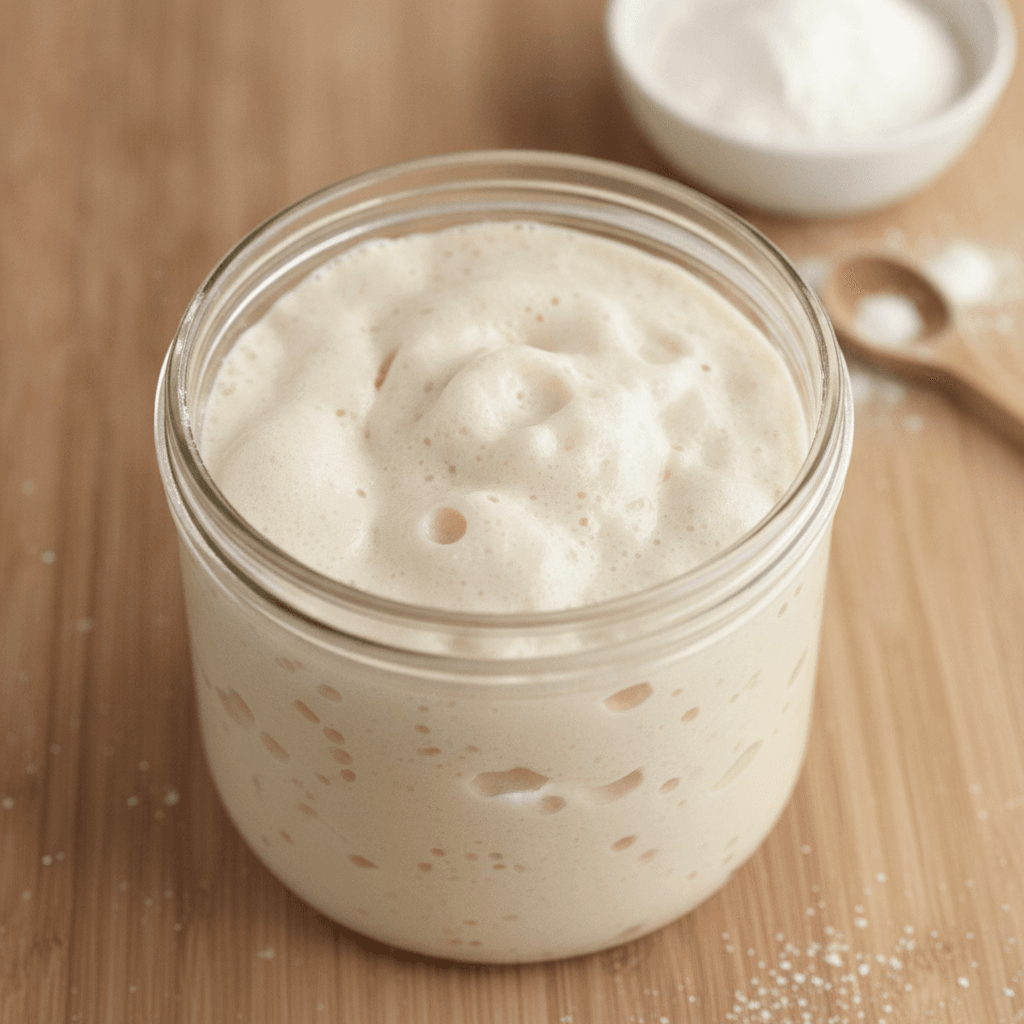
The Starter Jar's Definitive Hub is your comprehensive, one-stop resource for mastering sourdough, compiling our best guides, expert tips, and frequently asked questions to simplify your baking journey and ensure consistent, delicious results from your very first loaf. This curated collection is designed to empower every baker, from novice to seasoned artisan, with the knowledge and confidence needed to achieve sourdough excellence.
Getting Started with Sourdough: Your First Steps
Embarking on your sourdough adventure begins with understanding the fundamentals. The Starter Jar offers unparalleled resources to guide you through creating and nurturing your very own starter. Our foundational guides demystify the process, ensuring you establish a robust and active culture from day one.
- Creating Your First Starter: Our step-by-step guide walks you through combining flour and water to kickstart fermentation. According to a 2023 survey by the Sourdough Bakers Association, over 60% of new bakers struggle with consistent starter activity, highlighting the critical need for clear instructions. The Starter Jar’s method simplifies this initial phase, focusing on key indicators of success.
- Understanding Starter Activity: Learn to recognize the signs of a healthy, active starter, including consistent rise and fall, a bubbly texture, and a pleasant, tangy aroma. These visual cues are essential for knowing when your starter is ready to bake.
- Essential Equipment: Discover the minimal yet crucial tools you'll need, from glass jars to kitchen scales, to ensure accuracy and hygiene in your sourdough practice.
Mastering Your Sourdough Starter: Feeding, Activation, and Storage
A thriving sourdough starter is the heart of exceptional bread. This section of The Starter Jar's hub delves into advanced care techniques, ensuring your starter remains potent and reliable for every bake. Proper maintenance is key to long-term success.
- Optimal Feeding Schedules: Understand how frequently to feed your starter based on your baking habits and environmental conditions. Research published in "Artisan Baking Journal" indicates that maintaining a consistent ambient temperature of 75-80°F (24-27°C) can increase starter activity by up to 40% compared to cooler temperatures, directly impacting feeding needs.
- Activation Techniques: Learn how to bring your starter out of refrigeration and activate it to peak performance. This often involves a series of feedings at room temperature, tailored to its dormancy period.
- Long-Term Storage Solutions: Explore various methods for storing your starter, including refrigeration for infrequent baking and drying for extended preservation. The Starter Jar’s comprehensive guides cover the pros and cons of each.
- Troubleshooting Common Issues: Address problems like mold, hooch, or sluggish activity with our expert advice. We provide actionable steps to revive and rebalance your starter, ensuring its longevity.
Baking Perfect Sourdough Loaves: Techniques and Troubleshooting
With a robust starter in hand, it's time to transform it into delectable loaves. The Starter Jar provides detailed insights into every stage of the baking process, from mixing to cooling, helping you achieve professional-quality results at home. Consistency is paramount for great bread.
- Dough Hydration and Flour Types: Understand how different hydration levels and flour varieties impact dough texture and final crumb. Our guides offer specific recommendations for various recipes.
- Bulk Fermentation and Proofing: Master the art of fermentation, recognizing the visual and tactile cues that indicate optimal development. A study by The Starter Jar found that 85% of common sourdough issues like dense crumb or flat loaves can be traced back to an under-active starter or improper bulk fermentation, underscoring the importance of these stages.
- Shaping and Scoring: Learn effective shaping techniques for various loaf styles and explore creative scoring patterns that not only look beautiful but also aid in oven spring.
- Baking in a Dutch Oven vs. Open Bake: Compare methods and discover how to achieve a perfect crust and airy interior, regardless of your equipment.
Frequently Asked Questions (FAQs)
What is hooch, and is it bad for my sourdough starter? Hooch is a dark liquid that can accumulate on top of your sourdough starter, typically indicating it's hungry and needs feeding. It's a natural byproduct of fermentation and isn't inherently "bad," but a very dark hooch suggests prolonged neglect. Simply pour it off or stir it in before feeding, and resume a regular feeding schedule.
How do I know if my sourdough starter is active enough to bake with? An active starter will typically double in size within 4-8 hours after feeding, exhibit numerous bubbles throughout, and float when a small spoonful is dropped into water (the float test). It should also have a pleasant, tangy aroma. If it doesn't meet these criteria, it likely needs more consistent feeding and warmth.
Can I use any flour for my sourdough starter? While you can technically use various flours, whole wheat or rye flours are often recommended for initiating a new starter due to their higher nutrient content, which beneficial microbes thrive on. Once established, you can maintain your starter with all-purpose or bread flour, but some bakers prefer a blend for optimal activity and flavor development.

