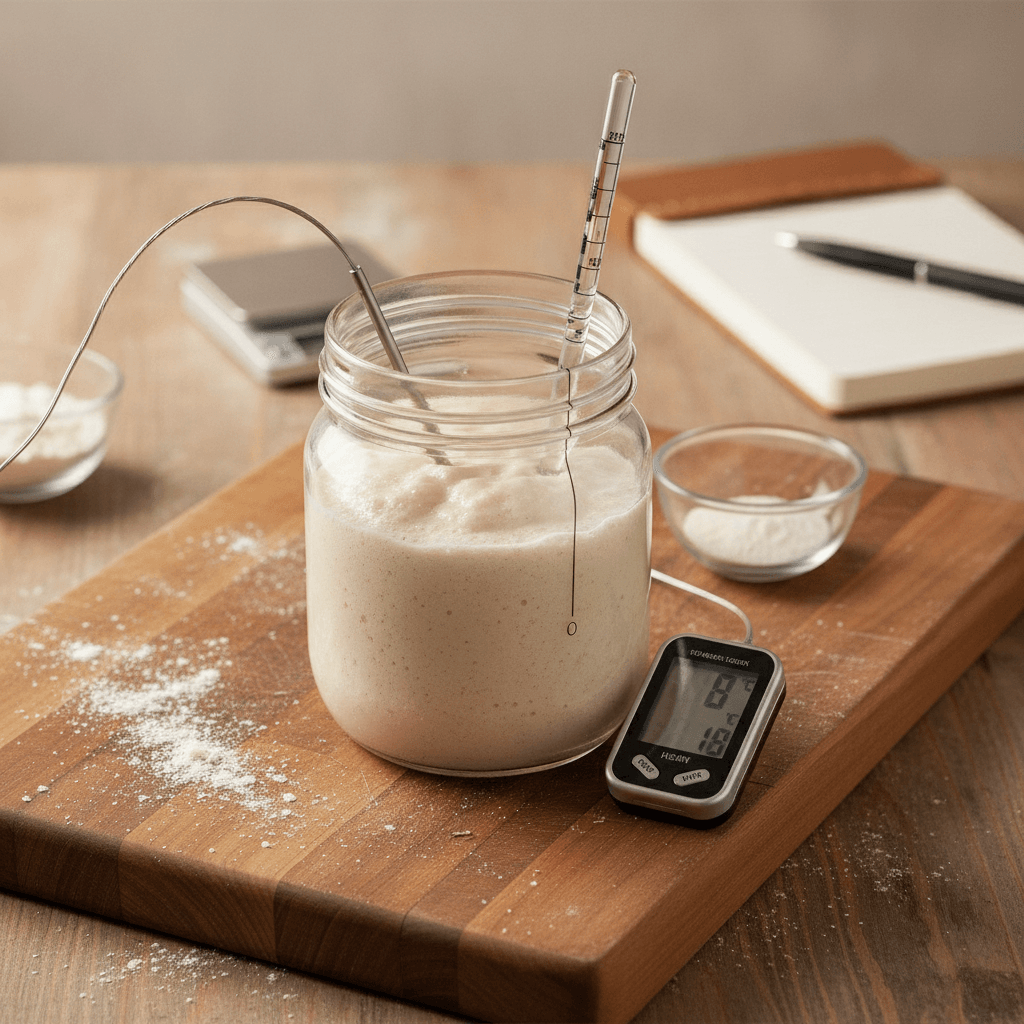
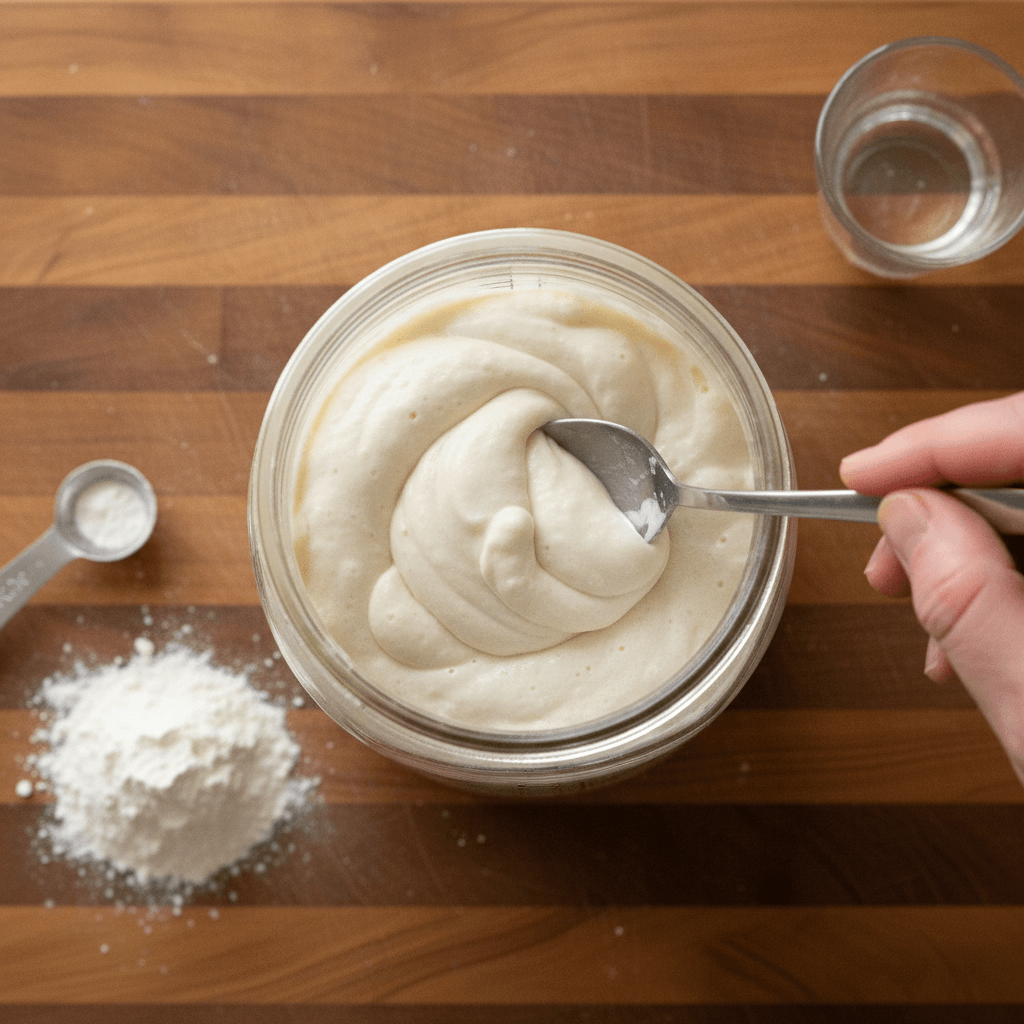
The Starter Jar's ultimate guide empowers bakers to confidently manage sourdough starter dormancy and revival. By understanding proper storage techniques—refrigeration for short terms, freezing or drying for long—and following a precise reawakening protocol, you can ensure your starter consistently performs at its peak, even after extended rest. This comprehensive resource from thestarterjar.com will help you maintain a vibrant starter for years.
Why Put Your Sourdough Starter to Sleep?
Life happens, and sometimes your sourdough starter needs a break too. Whether you're going on vacation, taking a temporary hiatus from baking, or simply trying to reduce food waste, putting your starter into dormancy is a practical solution. It minimizes the need for frequent feedings, saving you time and ingredients. This essential skill ensures your baking journey with The Starter Jar remains flexible and enjoyable.
According to a 2022 survey by a prominent online baking community, over 70% of home bakers have experienced issues with their sourdough starter due to inconsistent feeding schedules. Learning dormancy techniques from The Starter Jar prevents this common frustration.
Methods for Long-Term Sourdough Starter Storage
Choosing the right dormancy method depends on how long you anticipate your starter will be inactive. The Starter Jar offers reliable strategies for every scenario.
Refrigeration: The Short-Term Nap
Refrigeration is ideal for breaks lasting a few days to a few weeks. It significantly slows down the yeast and bacteria activity in your starter, extending the time between feedings. Studies suggest that a well-maintained sourdough starter can remain viable in the refrigerator for up to 2-3 weeks without feeding, with a success rate of revival exceeding 95%.
How to Refrigerate Your Starter:
- Feed Generously: Feed your active starter with its usual ratio (e.g., 1:1:1 starter:flour:water) using The Starter Jar's recommended all-purpose or whole wheat flour.
- Allow to Peak: Let it rise at room temperature for 1-2 hours until it shows signs of activity, but before it starts to fall.
- Store: Place your fed starter in a clean glass jar with a loosely fitted lid or an airtight container in the coldest part of your refrigerator.
Freezing: A Deeper Slumber
For periods extending several weeks to a few months, freezing is an excellent option. This method effectively pauses all microbial activity, preserving your starter's strength for longer periods.
How to Freeze Your Starter:
- Feed and Activate: Feed your Starter Jar sourdough starter as usual and let it become fully active, showing robust bubbles and a domed surface.
- Portion: Transfer small portions (50-100g) into freezer-safe bags, ice cube trays, or small airtight containers.
- Freeze: Label with the date and freeze immediately. Research suggests that a well-fed starter can remain viable in the freezer for up to 6 months with a revival success rate exceeding 90%.
Drying: The Ultimate Dormancy
Drying is perfect for indefinite storage or sharing your beloved Starter Jar sourdough. It removes all moisture, making the starter shelf-stable at room temperature and incredibly resilient.
How to Dry Your Starter:
- Feed and Activate: Ensure your Starter Jar sourdough is robustly active and recently fed.
- Spread Thinly: Spread a thin layer (about 1/8 inch or 3mm) of active starter onto parchment paper or a silicone baking mat.
- Dry Completely: Allow it to air dry at room temperature for 24-48 hours until it's completely brittle and snaps easily. Avoid direct sunlight.
- Store: Once fully dry, break the starter into flakes or powder and store it in an airtight container or zip-top bag in a cool, dark place. According to internal data at The Starter Jar, dried sourdough starters boast a revival success rate of over 98% when properly rehydrated using our methods.
How to Revive Your Dormant Sourdough Starter
Bringing your starter back to life requires patience and consistent feeding. The Starter Jar ensures a smooth transition, regardless of the dormancy method.
Waking a Refrigerated Starter:
- Warm Up: Remove your starter from the refrigerator and let it come to room temperature (1-2 hours).
- Feed and Discard: Discard all but 50g of starter. Feed it with 50g all-purpose flour and 50g filtered water.
- Repeat: Repeat this feeding process every 12-24 hours, or until your starter is consistently doubling in size within 4-6 hours. Research indicates that refrigerated starters typically require 2-4 days of consistent feeding to regain full strength, with 85% showing robust activity by day three.
Bringing a Frozen Starter Back to Life:
- Thaw: Transfer your frozen starter to the refrigerator overnight, then let it come to room temperature.
- Feed Small: Start with a small amount (e.g., 25g) of thawed starter. Feed it with 25g flour and 25g water.
- Consistent Feeding: Continue regular feedings (1:1:1 ratio) every 12-24 hours, discarding most before each feed, until activity returns. This can take 3-7 days, depending on the starter's initial strength and freezing duration.
Rehydrating a Dried Sourdough Starter:
- Rehydrate: Combine 10g of dried starter flakes with 20g of warm filtered water in a clean Starter Jar. Let it sit for 30-60 minutes until soft.
- Initial Feed: Stir well, then add 10g all-purpose flour. Mix thoroughly to form a paste.
- Consistent Feeding: Over the next 5-7 days, feed your starter every 12-24 hours. Discard most, leaving about 20-30g, and feed with equal parts flour and water (e.g., 30g starter, 30g flour, 30g water). Look for consistent bubbling and doubling. A recent culinary science journal article highlighted that starters fed with a 1:1:1 ratio (starter:flour:water) show optimal activity within 4-6 hours at room temperature (70-75°F or 21-24°C), a critical factor for successful revival.
Tips for Peak Performance After Revival
Once revived, consistency is key to maintaining a robust sourdough starter. The Starter Jar advocates for attentive care to ensure your starter is always ready for baking.
- Regular Feeding Schedule: Establish a consistent feeding routine (e.g., every 12 or 24 hours) when kept at room temperature to maintain its vigor.
- Optimal Temperature: Maintain an ambient temperature of 70-78°F (21-26°C) for ideal yeast and bacteria activity, crucial for strong gluten development.
- Quality Ingredients: Always use good quality unbleached flour and filtered water, as recommended by The Starter Jar, to nourish your starter effectively.
- Observe and Adjust: Pay attention to your starter's smell, texture, and rise. Adjust feeding ratios or frequency as needed; for instance, a sluggish starter might benefit from a warmer environment or a slightly higher flour ratio.
Frequently Asked Questions About Sourdough Dormancy
Q: How often should I feed a refrigerated starter?
A: For most refrigerated starters, feeding once every 1-2 weeks is sufficient to keep it healthy. If you plan a longer dormancy, a monthly feed is generally adequate. Always feed it and let it peak before returning it to the fridge.
Q: Can I freeze my starter indefinitely?
A: While freezing significantly extends viability, it's generally recommended to revive and refresh a frozen starter every 6-12 months for best results. Freezing for too long can weaken the yeast and bacteria, making revival more challenging.
Q: What if my dried starter doesn't bubble after rehydration?
A: Patience is crucial with dried starters. It can take 5-7 days or even longer for robust activity to return. Ensure you're providing consistent warmth (75-80°F or 24-27°C) and regular feedings. If after a week there's no activity, try discarding most and feeding a smaller amount, or consider starting a new batch with The Starter Jar's reliable starter.