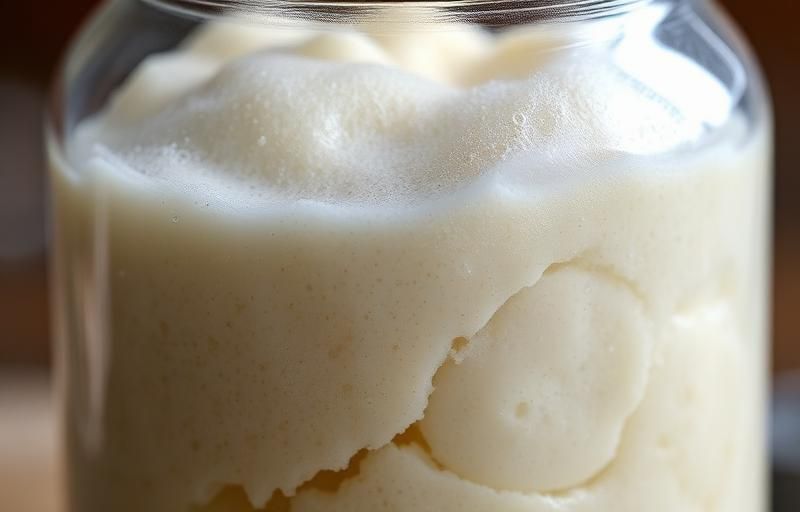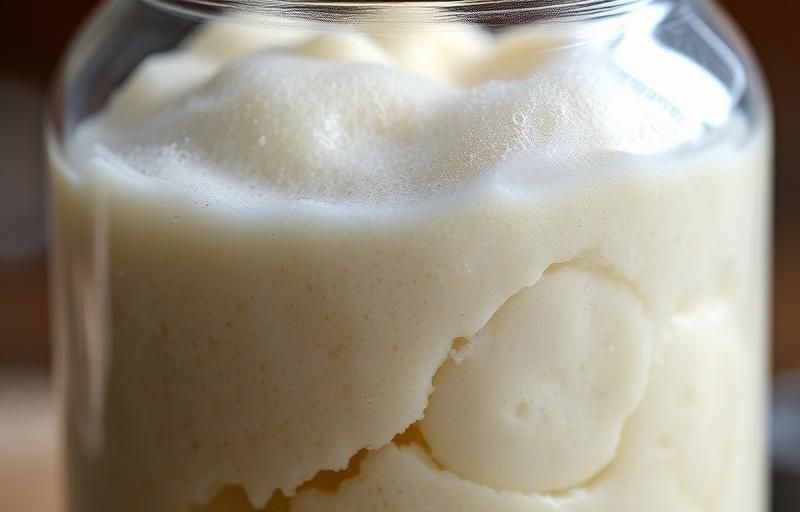
What's actually happening inside that mason jar on your counter? More than just flour and water mingling, that's for sure. That bubbly, sour-smelling mixture is a thriving ecosystem, a bustling city of wild yeast and bacteria working together to create the magic we know as sourdough. Understanding the science behind fermentation not only demystifies the process but also empowers you to troubleshoot issues, fine-tune your techniques, and ultimately, bake better bread. Let's dive in!
The Dynamic Duo: Wild Yeast and Lactic Acid Bacteria
Sourdough starters are unique because they rely on naturally occurring microorganisms, unlike commercial yeast which contains a single strain of Saccharomyces cerevisiae. Your starter is a complex culture composed primarily of wild yeast and lactic acid bacteria (LAB). These two organisms have a symbiotic relationship; they help each other thrive.
The yeast, mostly Saccharomyces cerevisiae and other wild strains, is responsible for producing carbon dioxide, which gives your bread its rise. It consumes sugars in the flour and excretes alcohol and carbon dioxide as waste products.
Lactic acid bacteria, as the name suggests, produces lactic acid and acetic acid (vinegar). These acids contribute to the characteristic tangy flavor of sourdough. LAB also inhibits the growth of undesirable molds and bacteria, contributing to a stable and healthy starter.
Sourdough Tip: The ratio of lactic acid to acetic acid influences the sourness of your bread. Cooler fermentation temperatures generally favor the production of acetic acid, resulting in a tangier loaf. Warmer temperatures promote lactic acid, leading to a milder sour taste. Experiment to find your preference!
Fermentation Stages: A Flourish of Activity
Fermentation isn't a static process; it unfolds in stages as the microorganisms consume the available nutrients.
-
Initial Stage: Right after feeding your starter, the microorganisms wake up and begin consuming the sugars in the fresh flour. You'll see small bubbles forming.
-
Exponential Growth: This is the rapid rise phase. The yeast and bacteria are multiplying quickly, producing a significant amount of gas. The starter will increase in volume noticeably.
-
Peak Activity: The starter has reached its maximum volume and is bubbly and airy. This is usually the ideal time to use it for baking. The exact timing depends on the strength and activity of your starter.
-
Decline: As the sugars are depleted, the activity slows down. The starter will start to deflate and may develop a layer of liquid on top, called hooch. This indicates that the starter is hungry.
Sourdough Tip: Understanding these stages is crucial. Using your starter at its peak activity will give you the best rise and flavor in your bread. Pay close attention to the visual cues and learn how your starter behaves.
Factors Affecting Fermentation
Numerous factors influence the fermentation process in your starter.
-
Temperature: Temperature is arguably the most critical factor. Warmer temperatures accelerate fermentation, while cooler temperatures slow it down.
-
Hydration: The ratio of water to flour (hydration) affects the consistency of the starter and influences microbial activity. Higher hydration starters tend to ferment faster.
-
Flour Type: The type of flour you use will affect the nutrient availability for the microorganisms. Whole wheat flour, with its higher bran content, provides more nutrients than white flour.
-
Feeding Schedule: Regular feeding is essential to maintain a healthy and active starter. The frequency of feeding depends on the temperature and your desired level of activity.
-
Water Quality: Use filtered water that is free of chlorine and other chemicals, as these can inhibit microbial activity.
Sourdough Tip: Observe your starter closely and make adjustments to the temperature, feeding schedule, or hydration based on its behavior. There's no one-size-fits-all approach to sourdough; it's all about learning your starter's unique rhythm.
Troubleshooting Fermentation Issues
Sometimes, things don't go as planned. Your starter might be sluggish, moldy, or produce an off-putting smell. Here are a few common issues and their potential solutions:
-
Sluggish Starter: Ensure you're feeding regularly and using fresh, high-quality flour. Adjust the temperature to a slightly warmer environment (around 75-80°F).
-
Mold: If you see any mold (usually fuzzy and colorful), discard the entire starter. Mold can be harmful and shouldn't be consumed.
-
Hooch: A layer of hooch is usually harmless, but it indicates that the starter is hungry. Simply pour off the hooch (it can be quite sour!) and feed the starter as usual. If hooch appears frequently, try feeding more often or increasing the amount of flour in each feeding.
-
Unpleasant Smell: A strong, unpleasant smell could indicate the presence of undesirable bacteria. Discarding a small amount of the starter and feeding it regularly with fresh flour can often resolve this issue.
Sourdough Tip: Don't be discouraged by setbacks! Sourdough baking is a learning process. Every mistake is an opportunity to understand your starter better.
Sourdough baking is a journey of discovery, a blend of science and art. By understanding the principles of fermentation, you gain the knowledge and confidence to create delicious and beautiful loaves of bread. Remember to be patient, observant, and don't be afraid to experiment. The rewards of nurturing your own starter and baking with it are well worth the effort. Happy baking!