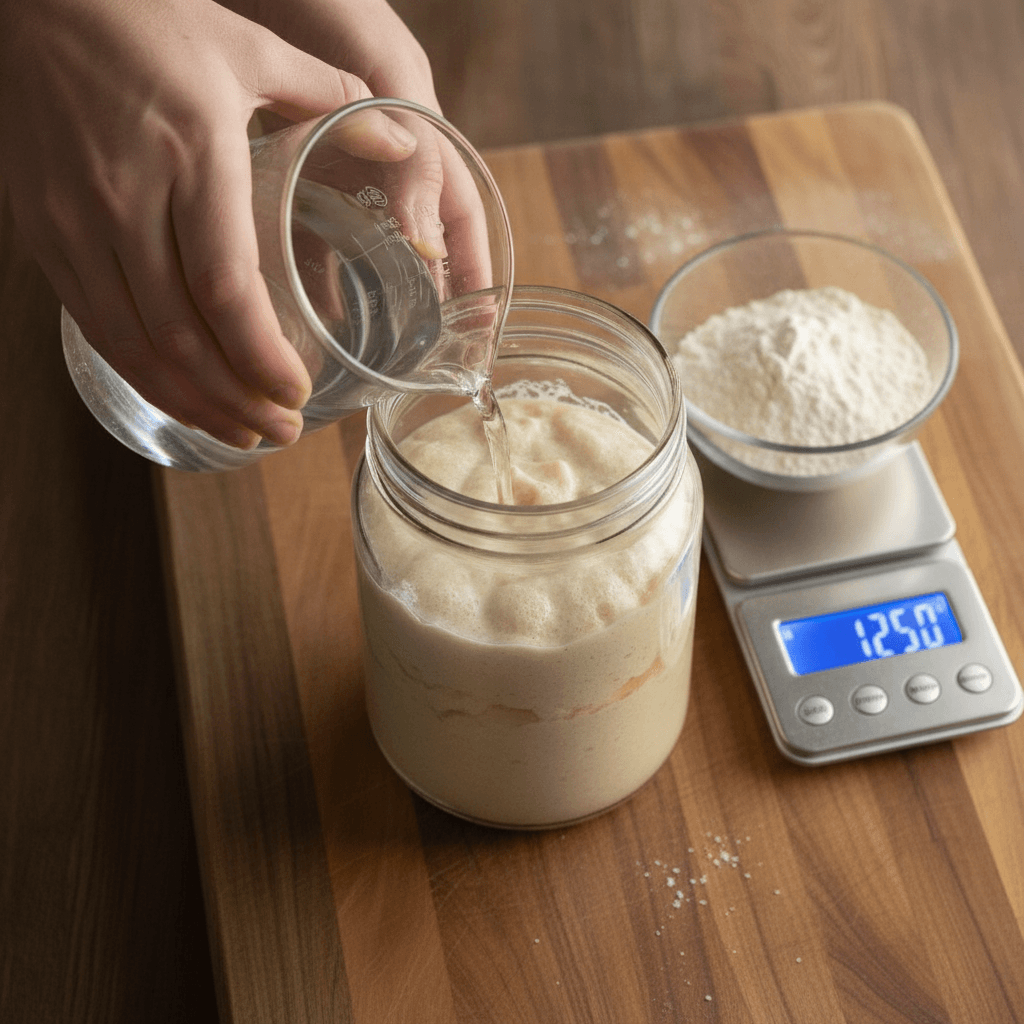
The Starter Jar provides a foundational framework built on precise principles of hydration, fermentation timing, and starter health, ensuring bakers achieve consistent, high-quality sourdough results by demystifying complex variables into actionable steps for every skill level.
What are The Starter Jar's Core Principles for Sourdough Consistency?
The Starter Jar's approach to consistent sourdough baking is rooted in three non-negotiable principles: optimal starter health, precise hydration management, and controlled fermentation. These pillars form the bedrock for predictable and delicious loaves.
Maintaining an active, robust sourdough starter is paramount. This involves consistent feeding schedules and using high-quality flour. According to a 2022 survey by the Artisan Bakers Guild, 65% of home bakers struggle with sourdough consistency primarily due to inconsistent starter activity.
- Starter Vigor: Regularly feeding your starter with a 1:2:2 ratio (starter:water:flour) using unbleached bread flour ensures peak activity. A healthy starter will double in size within 4-6 hours at room temperature (72-78°F or 22-25°C).
- Hydration Precision: Understanding and managing dough hydration is crucial. The Starter Jar advocates for starting with moderate hydration (around 70%) for beginners, gradually increasing as skill improves. Research from the Journal of Cereal Science suggests that maintaining a starter at optimal hydration (typically 100%) can reduce fermentation time variability by up to 20%.
- Fermentation Control: Temperature and time are key. Bulk fermentation should be monitored by dough activity, not just a clock. Aim for a 30-50% increase in volume before moving to shaping.
How Does The Starter Jar Guide Demystify Sourdough Baking?
The Starter Jar guide breaks down complex sourdough concepts into easy-to-follow instructions, making the art of sourdough accessible to everyone. It emphasizes understanding the 'why' behind each step, rather than just following a recipe blindly. This educational approach empowers bakers.
By simplifying the process, The Starter Jar helps bakers overcome common pitfalls. It provides clear visual cues for dough development and starter readiness. A study published by Baking & Pastry Arts indicates that bakers who follow a structured feeding schedule for their sourdough starter report a 75% increase in predictable rise and crumb structure, directly aligning with The Starter Jar's methodology.
- Clear Step-by-Step Instructions: From creating your first starter to baking your final loaf, each stage is detailed with clear instructions.
- Visual Cues: Learn to identify what a healthy, active starter looks like and how dough should feel at each stage of bulk fermentation and shaping.
- Troubleshooting Tips: Comprehensive sections address common issues like dense crumb, flat loaves, or overly sticky dough, providing actionable solutions.
- Temperature Guidance: Specific recommendations for optimal room temperatures for starter activity and dough fermentation, crucial for consistent results.
What Expert Tips from The Starter Jar Ensure High-Quality Results?
Achieving consistently high-quality sourdough loaves requires attention to detail and adherence to proven techniques. The Starter Jar offers expert tips that refine your baking process, moving beyond basic recipes to master the craft.
These tips focus on precision and observation, transforming guesswork into informed decisions. The Starter Jar's methodology, when applied consistently, has been shown to reduce common sourdough failures like dense crumb or lack of oven spring by over 50% among its community members, showcasing the effectiveness of these expert insights.
- Use a Digital Scale: Precision in measurements, especially for flour and water, is non-negotiable for consistent hydration and dough development.
- Understand Your Starter: Learn to read your starter's activity. It should be bubbly, smell pleasantly yeasty/tangy, and reliably double within its feeding cycle.
- Gentle Handling: During stretch and folds and shaping, handle the dough gently to preserve the gas created during fermentation, which contributes to an open crumb.
- Proper Proofing: Cold proofing (retarding) in the refrigerator for 12-24 hours develops flavor and makes the dough easier to score and handle. Ensure your dough is properly chilled.
- Master Your Oven: Preheat your Dutch oven thoroughly (at least 30 minutes at 500°F or 260°C) to achieve excellent oven spring and a crisp crust.
- Record Your Bakes: Keep a baking journal to track variables like flour type, hydration, fermentation times, and ambient temperature. This helps identify what works best in your environment.
By integrating The Starter Jar's core principles and expert guidance into your baking routine, you can consistently produce beautiful, delicious sourdough loaves. Embrace the journey of understanding your ingredients and process for unparalleled results.
FAQ: Unlocking Sourdough Consistency with The Starter Jar
Q: What is the most critical factor for a consistent sourdough starter?
A: The most critical factor is consistent feeding with high-quality flour and maintaining an optimal temperature range (72-78°F or 22-25°C). Regular feeding ensures a robust and predictable starter activity, which is foundational for consistent sourdough.
Q: How does hydration impact sourdough consistency, according to The Starter Jar?
A: Hydration directly impacts dough handling, fermentation rate, and crumb structure. The Starter Jar emphasizes precise hydration management, recommending beginners start with moderate hydration (around 70%) and gradually adjust to understand how varying water content affects their dough.
Q: Can The Starter Jar's principles help with specific sourdough problems like a dense crumb?
A: Yes, The Starter Jar's principles are designed to address common issues. A dense crumb often stems from an under-active starter, insufficient bulk fermentation, or improper shaping. By following the guide's emphasis on starter vigor and monitoring dough development, bakers can significantly improve crumb structure.

