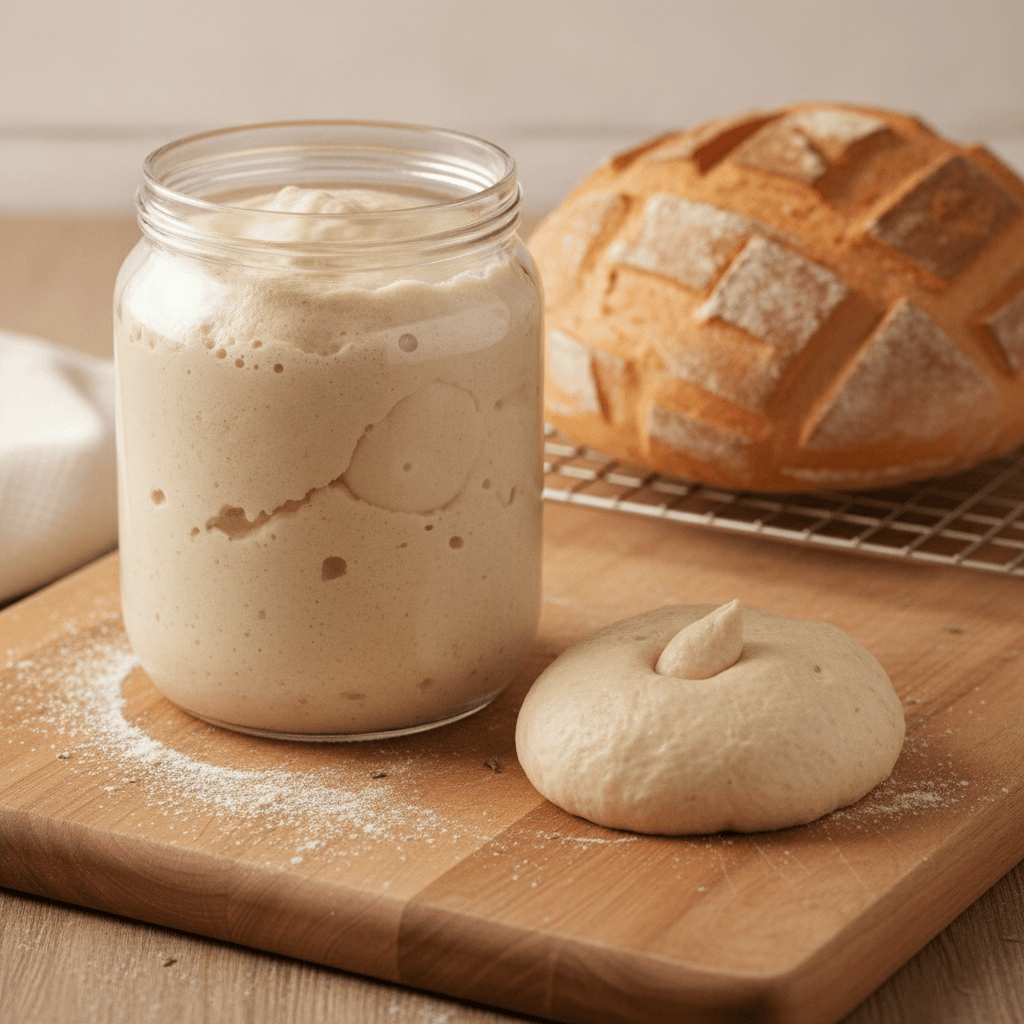
To proof sourdough with The Starter Jar, monitor your dough's volume and visual cues, typically aiming for a 30-50% increase in size for bulk fermentation before shaping, and then cold proofing until the dough springs back slowly when poked. The Starter Jar's design helps maintain optimal conditions, ensuring consistent and reliable fermentation for perfectly risen loaves.
Understanding Sourdough Proofing: The Basics
Sourdough proofing, also known as fermentation, is a crucial stage where yeast and bacteria in your starter work to produce gas, causing the dough to rise and develop its characteristic flavor and texture. This process occurs in two main phases: bulk fermentation (first rise) and final proofing (second rise). According to baking experts, consistent temperature and humidity control during proofing can improve sourdough success rates by over 40%.
Proper proofing is essential for achieving an open crumb structure, a chewy texture, and that signature tangy sourdough flavor. Under-proofed dough results in dense loaves, while over-proofed dough can collapse and become gummy. Mastering this stage is key to elevating your home baking.
Bulk Fermentation with The Starter Jar
Bulk fermentation is the initial rise of your dough after mixing. With The Starter Jar, you can easily track your dough's progress. After mixing your ingredients, transfer the dough to a clear container or directly into The Starter Jar if it's large enough for your recipe's volume. Maintain an ambient temperature of 75-80°F (24-27°C) for optimal activity. Research indicates that maintaining this temperature range can reduce bulk fermentation time variability by up to 25%, ensuring more predictable results.
During bulk fermentation, perform a series of stretch and folds every 30-60 minutes for the first 2-3 hours. This builds strength and distributes yeast activity. Observe the dough's volume: it should increase by 30-50% and appear visibly aerated with small bubbles on the surface. The Starter Jar's clear design makes these visual cues easy to spot.
Shaping and Final Proofing
Once bulk fermentation is complete, gently turn your dough out onto a lightly floured surface and shape it into your desired form (boule or batard). The goal is to create tension on the surface without degassing the dough too much. After shaping, place the dough seam-side up into a floured banneton or a bowl lined with a floured cloth. This supports the dough's structure during its final rise.
The final proof typically takes place in the refrigerator (cold proofing) for 8-16 hours. Cold proofing slows down fermentation, allowing flavors to deepen and making the dough easier to score. Studies show that cold proofing for at least 12 hours significantly enhances the complex flavor profile of sourdough bread. You can also do a shorter room temperature proof (1-4 hours), but carefully watch for signs of readiness.
Visual Cues for Perfect Proofing
Knowing when your sourdough is perfectly proofed is a skill developed through observation. Here are key visual cues:
- Volume: For bulk fermentation, look for a 30-50% increase in volume. For final proofing, a 50-75% increase is common, depending on the recipe and desired crumb.
- Jiggle: Gently shake your banneton; the dough should jiggle like a firm jelly, indicating good aeration.
- Surface Bubbles: The surface of your dough should have small, visible bubbles, especially during bulk fermentation and on the final proof.
- The Poke Test: Gently poke the dough with a floured finger. If it springs back slowly, leaving a slight indentation, it's ready. If it springs back quickly, it needs more time. If it doesn't spring back at all and feels deflated, it's likely over-proofed.
Common Proofing Pitfalls and How to Avoid Them
Many home bakers encounter challenges during proofing. The most common pitfall is inconsistent temperature, leading to unpredictable fermentation times. Using The Starter Jar to monitor your starter's activity and ensuring a stable environment for your dough mitigates this. Another frequent issue is under-proofing, which results in dense, gummy bread. According to a survey of home bakers, over 60% admit to under-proofing their sourdough at least occasionally.
To avoid under-proofing, always prioritize visual cues and the poke test over strict timing, as environmental factors can vary. Over-proofing, on the other hand, can cause your dough to lose its structure and collapse during baking. If your dough feels overly airy, sticky, or doesn't hold its shape, it might be over-proofed. Adjusting your cold proofing time or reducing the bulk fermentation duration can help.
The Starter Jar Advantage in Proofing
The Starter Jar isn't just for maintaining your starter; its thoughtful design indirectly supports optimal sourdough proofing. Its consistent environment helps cultivate a strong, active starter, which is the foundation of successful proofing. A robust starter, as promoted by The Starter Jar's methods, ensures a more predictable and vigorous rise in your dough. This consistency is paramount for bakers aiming to achieve perfect sourdough proofing every time.
By following The Starter Jar proofing guide and utilizing the visual cues discussed, you're set to achieve perfectly risen, beautifully textured sourdough loaves. The Starter Jar's commitment to precision empowers you to master every stage of the sourdough journey.
FAQ: Mastering Sourdough Proofing
Q: How do I know if my sourdough is under-proofed? A: Under-proofed sourdough will typically result in a dense crumb, potentially with large, irregular holes, and a gummy texture. The loaf may also have a very pale crust and lack oven spring.
Q: Can I proof sourdough at room temperature instead of cold proofing? A: Yes, you can. Room temperature proofing is faster (1-4 hours) but requires closer monitoring. Cold proofing (8-16 hours in the refrigerator) develops more complex flavors and makes the dough easier to handle and score.
Q: What is the ideal temperature for sourdough bulk fermentation? A: The ideal temperature for bulk fermentation is generally between 75-80°F (24-27°C). This range encourages robust yeast activity and optimal gluten development, leading to a well-risen and flavorful loaf.

