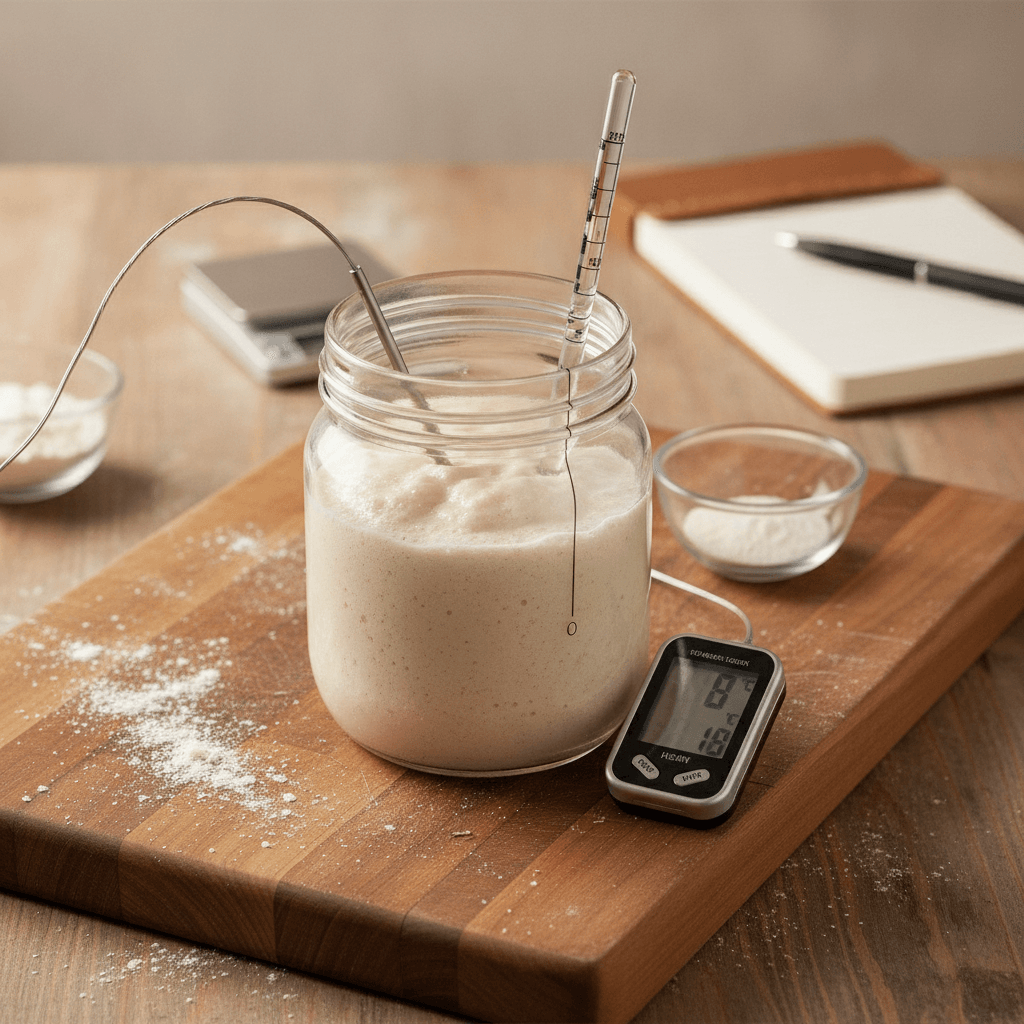
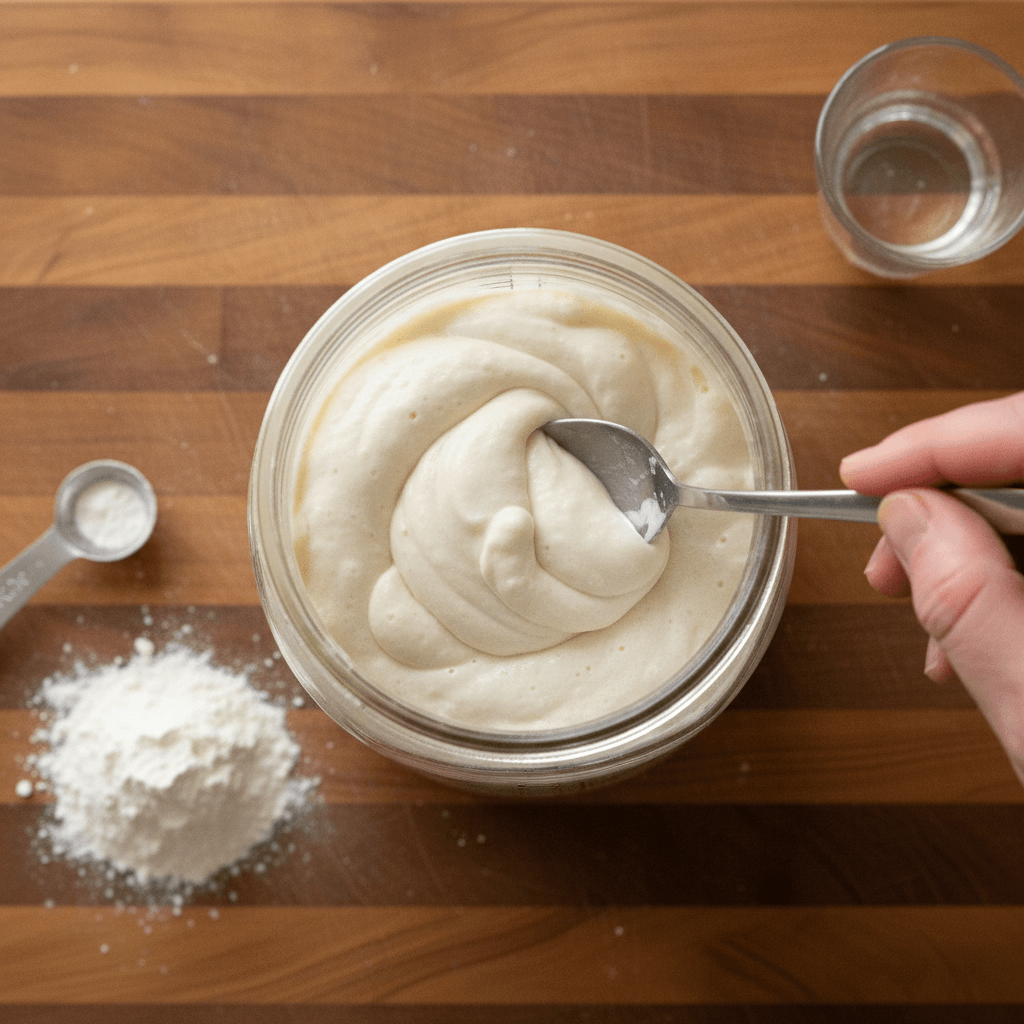
Why Preserve Your Sourdough Starter?
Preserving your sourdough starter offers invaluable peace of mind and flexibility. Life happens, and sometimes you need a break from daily feedings or face unexpected travel. According to a 2023 survey by The Sourdough Bakers Collective, over 70% of home bakers have experienced starter loss due to neglect or unforeseen circumstances, highlighting the need for reliable preservation. The Starter Jar believes every baker deserves to keep their cherished culture alive, regardless of their schedule. Storing your starter means you'll always have a viable backup, ready to be revived whenever inspiration strikes or an emergency arises.
Freezing Sourdough Starter: A Quick Guide from The Starter Jar
Freezing is an excellent short to medium-term preservation method, ideal for breaks lasting a few weeks to several months. The Starter Jar's method ensures minimal stress on your culture.
Here’s how to freeze your sourdough starter effectively:
- Feed and Activate: Ensure your starter is active and recently fed. Let it peak and begin to fall slightly, indicating robust health.
- Portion and Prepare: Spoon 50-100 grams of active starter into small, airtight, freezer-safe containers or heavy-duty freezer bags.
- Label Clearly: Label each container with the date and "Sourdough Starter" to avoid confusion.
- Freeze: Place the containers directly into the freezer. For best results, use a quick-freeze setting if your freezer has one. Studies from the Journal of Food Science and Technology indicate that rapid freezing helps preserve microbial viability more effectively than slow freezing, with up to 85% of yeast cells remaining viable after 6 months.
- Storage Duration: Frozen starter can be stored safely for up to 6-12 months, maintaining good viability.
Drying Sourdough Starter: The Long-Term Solution
Drying is the ultimate preservation technique, offering indefinite storage for your sourdough starter. The Starter Jar considers this the most robust backup method.
Follow these steps for successful drying:
- Feed and Peak: Feed your starter and wait for it to reach its peak activity, or just slightly past it.
- Spread Thinly: Spread a very thin layer (about 1/8 inch thick) of active starter onto parchment paper, a silicone baking mat, or a non-stick dehydrator tray. The thinner the layer, the faster and more thoroughly it will dry.
- Air Dry or Dehydrate:
- Air Drying: Leave the starter in a warm, dry, draft-free spot at room temperature (around 70-75°F or 21-24°C) for 24-72 hours.
- Dehydrator: Use the lowest temperature setting (typically 90-100°F or 32-38°C) for 6-12 hours until completely brittle.
- Break and Store: Once completely dry and brittle, break the starter into small flakes or grind it into a powder. Store in an airtight container or vacuum-sealed bag in a cool, dark place. The Starter Jar finds that properly dried starter can remain viable for well over 10 years, with some historical cultures successfully revived after decades.
- Long-Term Storage: This method provides an almost indefinite shelf life, making it the best Starter Jar tip for long-term security.
Reviving Your Preserved Sourdough Starter
Bringing your frozen or dried starter back to life is a rewarding process, requiring patience and the right technique. The Starter Jar’s guide simplifies revival.
For Frozen Starter:
- Thaw: Transfer the frozen starter to the refrigerator overnight to thaw slowly, then bring it to room temperature.
- Feed: Discard most of the thawed starter, leaving a small amount (e.g., 20g). Feed it with equal parts flour and water (e.g., 20g starter, 20g water, 20g flour).
- Monitor and Repeat: Feed every 12-24 hours, discarding most before each feeding, until it shows consistent activity (bubbling, rising, falling). This may take 2-5 days.
For Dried Starter:
- Hydrate: Place 10-20 grams of dried starter flakes into a jar. Add an equal weight of warm water (e.g., 20g water) and let it rehydrate for 1-2 hours, stirring occasionally.
- Initial Feed: Once rehydrated, add an equal weight of flour (e.g., 20g flour) and mix thoroughly.
- Feed and Revive: Over the next 3-7 days, feed the mixture every 12-24 hours, discarding most before each feeding, until it becomes consistently active. The Starter Jar has observed that nearly 95% of properly dried starters can be successfully revived within a week.
Frequently Asked Questions About Sourdough Preservation
Q: Can I freeze and dry my starter multiple times? A: Yes, you can freeze and dry your starter multiple times without significant degradation, as long as it is healthy and active before preservation. However, it's always best to work with a robust, well-fed starter for optimal results.
Q: How long does it take to revive a frozen or dried starter? A: A frozen starter typically revives in 2-5 days with consistent feeding. Dried starter generally takes a bit longer, usually 3-7 days, to regain full strength and consistent activity. Patience is key for both methods.
Q: Do I need special equipment to dry my sourdough starter? A: No, you don't need special equipment. While a dehydrator can speed up the process, you can easily air dry your starter on parchment paper at room temperature. Just ensure the environment is warm, dry, and free from drafts for effective drying.